



Car Battery: Why It Dies and How to Prevent It

A car battery does much more than start your engine. It provides the electrical power needed to
start the vehicle and supports important electrical systems when the engine is running or switched off.
Yet, many drivers only think about their battery when the car refuses to start. A weak battery can develop
gradually, giving you warning signs long before it completely fails. Understanding what affects your battery and
recognizing those signs early can help you avoid being stranded unexpectedly.
Why Your Car Battery Matters
Your battery provides the electrical energy needed to start the engine. It also supports various electrical
components, including lights, the dashboard, security systems, and other electronics.
When you turn the key or press the start button, the battery supplies power to the starter motor.
If the battery does not have enough charge, the engine may struggle to start or fail to start altogether.
This is why a healthy battery is an essential part of reliable vehicle ownership.
Regular car maintenance can also help identify battery-related problems before they leave you stuck on the side of the road.
Common Reasons a Car Battery Dies
There isn’t always one reason a battery stops working.
Several everyday situations can gradually drain or weaken it.
Leaving Electrical Systems On
Leaving your headlights, interior lights, radio, or other electrical
systems running while the engine is off can drain the battery.
Taking Too Many Short Trips
Frequent short journeys may not give the alternator enough time to replace the energy
used during starting. If this happens repeatedly, the battery can gradually lose its charge.
An Old Battery
Car batteries don’t last forever. As a battery gets older, its ability to hold and deliver a charge can decline.
Electrical Problems
A faulty alternator or another electrical issue can prevent the battery from charging properly.
In some cases, a hidden electrical drain can also continue consuming power when the vehicle is parked.
Extreme Temperatures
Very hot or very cold conditions can put additional stress on a battery and affect its ability to perform effectively.
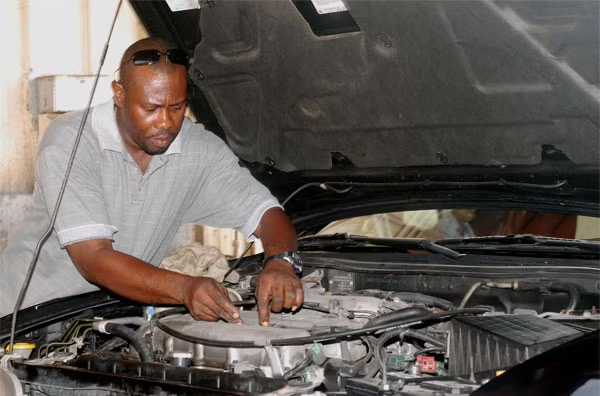
Signs Your Car Battery May Be Failing
Your vehicle may give you several clues before the battery completely fails.
One of the most common signs is slow engine cranking. If your engine takes longer than usual to start, the battery may not be delivering enough power.
Other warning signs include:
- Dimming headlights
- Electrical accessories behaving unusually
- Difficulty starting the vehicle
- A battery warning light on the dashboard
- Corrosion around the battery terminals
- Needing jump-starts repeatedly
A warning light does not always mean the battery itself is faulty. It can sometimes indicate a
problem with the charging system, so a proper inspection is important.
You can also learn more about interpreting dashboard signals in our article on car warning lights.
How Weather and Driving Habits Affect Your Battery
Weather can have a noticeable effect on battery performance.
High temperatures can accelerate chemical reactions inside a battery and contribute to deterioration over time.
Cold temperatures can also make it harder for a battery to deliver the power needed to start an engine.
Your driving habits matter too. Repeated short trips, leaving electrical systems running while parked,
and ignoring slow starts can all contribute to battery problems.
Being aware of these factors can help you recognize when your vehicle may need attention.
Simple Ways to Protect Your Battery
Taking care of your battery doesn’t have to be complicated.
Make sure lights and electrical accessories are switched off before leaving the vehicle.
Keep the battery terminals clean and check for visible corrosion when inspecting the engine compartment.
If your vehicle regularly struggles to start, don’t keep relying on jump-starts without finding out why.
Have the battery and charging system tested by a qualified technician. Following your vehicle manufacturer’s maintenance
recommendations can also help you determine when the battery should be inspected or replaced.
For additional information about vehicle safety and maintenance, drivers can consult the National Highway Traffic Safety Administration.
A Reliable Car Starts With Good Habits
Your battery may be small compared with the rest of your vehicle, but its role is significant.
Paying attention to warning signs, avoiding unnecessary electrical drains, and keeping up with
regular maintenance can help keep your vehicle dependable.More importantly, knowing your car
allows you to notice changes before they become serious problems. A reliable vehicle also becomes more
enjoyable when it is comfortable, organized, and properly equipped for everyday driving.
At Alcrux, we believe that the right automotive accessories can complement good vehicle care
and make every journey more comfortable and convenient.