



Car Brakes: What Every Driver Should Know

Car brakes are one of the most important safety systems in any vehicle. Every time you slow down,
stop at a junction, or avoid an unexpected obstacle, you rely on your braking system to respond properly.
Yet, brake problems are often ignored until they become impossible to overlook. A strange sound or slightly
different pedal feel may seem harmless, but it could be an early sign that something needs attention.
Understanding how your brakes work and recognizing warning signs early can help you stay safer and avoid expensive repairs.
Why Car Brakes Are So Important
Your brakes allow you to control your vehicle’s speed and bring it to a complete stop when necessary.
They are especially important in busy traffic, emergencies, and situations where road conditions change unexpectedly.
A properly functioning braking system gives you confidence behind the wheel. However, even the best brakes
cannot compensate for unsafe driving habits, excessive speed, or failing to maintain a safe following distance.
That is why braking performance and responsible driving should always work together.
How Car Brakes Work
When you press the brake pedal, a series of components work together to slow the vehicle.
In many modern cars, hydraulic brake fluid transfers the pressure from the pedal to the braking components
at each wheel. Depending on the vehicle, these may include brake pads, discs, drums, calipers, and other parts.
Modern vehicles can also have electronic safety systems that assist with braking and vehicle stability.
These technologies have become an important part of modern car technology, helping drivers maintain control in certain situations.
Although the system may seem complicated, the basic purpose is simple: convert the driver’s action into controlled stopping force.
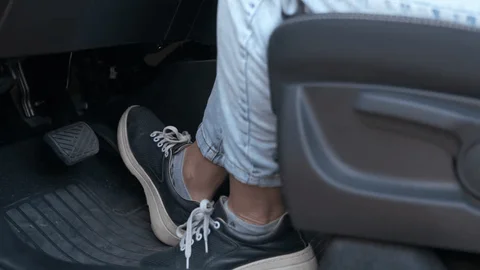
Signs Your Car Brakes Need Attention
Your vehicle can give you several warning signs when something is wrong with the braking system.
Squeaking or Grinding Sounds
A high-pitched squeal may indicate worn brake components, while grinding can
be a sign of more serious wear. Unusual sounds should not be ignored.
A Soft or Spongy Brake Pedal
If the brake pedal feels softer than usual or travels farther toward the floor, the braking system should be checked promptly.
Vibrations When Braking
Feeling vibrations through the steering wheel or brake pedal when slowing down can indicate an issue that requires inspection.
Longer Stopping Distances
If your vehicle seems to take longer than normal to stop, something may be affecting braking performance.
Pulling to One Side
If the vehicle consistently pulls left or right when you brake, there could be an issue with the braking system or another part of the vehicle.
These signs don’t necessarily point to one specific problem, but they are reasons to have your vehicle inspected.
What Causes Brake Wear?
Brake components naturally wear down because they are repeatedly exposed to friction and heat.
Heavy traffic can contribute to frequent braking, while aggressive driving can put additional stress on the system.
Carrying heavy loads and driving through challenging road conditions can also increase the demands placed on your brakes.
Poor maintenance can make matters worse. Regular car maintenance helps ensure that worn components
are identified and replaced before they become a bigger safety concern.
Simple Habits That Protect Your Braking System
You can reduce unnecessary brake wear by making a few changes to your driving routine.
Maintain a safe distance from the vehicle ahead so you have more time to slow down gradually.
Avoid unnecessary hard braking and pay attention to traffic conditions well ahead of you.
When approaching a junction, speed bump, or area of congestion, slowing down early can reduce the need for sudden braking.
It’s also important to respond to unusual noises, vibrations, or changes in pedal feel instead of waiting for the problem to become worse.
Good car safety checks should include paying attention to your braking performance.
When to Have Your Brakes Inspected
There isn’t one universal time when every vehicle needs a brake inspection. Brake wear depends on the vehicle,
driving conditions, mileage, and individual driving style. You should have your brakes inspected if you notice
unusual sounds, vibrations, changes in pedal feel, reduced braking performance, or a warning light.
It is also important to follow the maintenance schedule recommended by your vehicle manufacturer.
If a serious brake problem develops while you’re driving, find a safe place to stop and seek professional
assistance rather than continuing the journey.
For more information about vehicle and road safety, drivers can consult the National Highway Traffic Safety Administration.
Don’t Wait Until You Can’t Stop
Brakes are one part of your car that should never be treated as an afterthought. Small changes in how
your vehicle slows down can provide an important warning that something needs attention.
Being observant, maintaining your vehicle properly, and developing responsible driving
habits can help you get the most from your braking system. And when your vehicle is properly maintained, comfortable, organized,
and equipped with quality automotive accessories, the entire driving experience becomes better.
At Alcrux, we believe that a perfectly accessorized car is part of what makes every drive more comfortable and enjoyable.