



Car Vibration: What Your Car Is Trying to Tell You

Car vibration can start as something small, a slight shake in the steering wheel, a trembling seat,
or a noticeable vibration when you accelerate. It is easy to ignore when the car is still moving normally,
but unusual vibration can sometimes be a sign that something needs attention.
Your car is made up of many moving parts working together, so changes in how it feels on the road can provide useful clues.
Understanding when and where a vibration happens can help you recognize potential problems before they become more expensive or affect your safety.
Car Vibration You Should Never Ignore
Not every vibration means your car has a major mechanical problem. Some vibrations may come
from road surfaces, while others can be caused by normal vehicle operation.
However, a vibration that is new, persistent, getting stronger, or accompanied by another unusual symptom deserves attention.
You might notice it through the steering wheel, driver’s seat, floor, pedals, or even the entire body of the vehicle.
The first question to ask is simple: When does the vibration happen?
Does it happen while braking? At a particular speed? When accelerating? While turning? Or even when the car is sitting still?
The answer can help narrow down where the problem may be coming from.
Common Causes of Car Vibration
One of the most common causes of car vibration at higher speeds can be related to the wheels and tyres.
An imbalance in the wheel-and-tyre assembly can create shaking as the wheels rotate.
NHTSA also notes that proper wheel balancing and alignment are important for vehicle safety and tyre life.
Uneven tyre wear, incorrect tyre pressure, wheel damage, or a tyre that has developed
a problem can also affect how smoothly the vehicle travels. That is why a vibration should not automatically be blamed on the engine.
Vibration Through the Steering Wheel
If you mainly feel the vibration through the steering wheel, the wheels, tyres, steering, or suspension deserve attention.
A vehicle that pulls, drifts, or develops unusual steering-wheel vibration should be inspected rather than ignored.
Vibration When Braking
If the vehicle begins to shake when you press the brake pedal, the braking system should be inspected.
Brake-related vibration can have several possible causes, so it is best to have a qualified technician
determine what is actually happening rather than replacing parts based on guesswork.
Vibration During Acceleration
A vibration that appears mainly when accelerating may be connected to drivetrain or engine-related components.
Because several different issues can produce similar symptoms, the exact cause requires proper diagnosis.
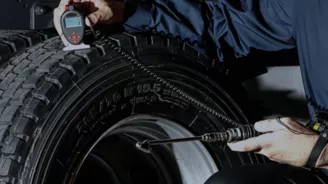
Understanding Car Vibration at Different Speeds
Pay attention to speed.
If your vehicle feels smooth at low speeds but starts vibrating once you reach a particular speed
range, the wheels and tyres may be worth checking first.
In fact, a 2026 Subaru service bulletin states that wheel imbalance is a common cause of steering-wheel
or vehicle-body vibration at highway speeds and recommends proper balancing as part of diagnosis.
This does not mean every high-speed vibration has the same cause. Tyre condition, wheel condition,
alignment, suspension components, and other mechanical issues can also contribute.
The important thing is to notice the pattern.
For more guidance on tyre safety and proper tyre maintenance, visit the
National Highway Traffic Safety Administration (NHTSA) Tire Safety page.
What Different Car Vibrations May Mean
Your car can give you different clues depending on where you feel the vibration.
Steering wheel:
May point toward wheels, tyres, alignment, steering, or suspension components.
Brake pedal:
May indicate an issue that needs inspection within the braking system.
Seat or floor:
Could suggest a problem elsewhere in the vehicle, including tyres, wheels, suspension, or drivetrain components.
Entire vehicle:
A vibration throughout the car can have several possible causes and should be professionally diagnosed if it persists.
These are clues, not automatic diagnoses. A professional inspection is the safest way to determine the actual cause.
When a Vibration Needs Immediate Attention
A small vibration does not always mean you need to stop your journey immediately.
But certain combinations of symptoms should make you more cautious.
Take the situation seriously if the vibration is accompanied by:
- Difficulty steering
- A sudden loss of control or stability
- Loud or unusual noises
- A warning light
- A damaged or visibly underinflated tyre
- Smoke or a burning smell
- Strong shaking that suddenly appears
- A noticeable change in braking performance
If the vehicle feels unsafe to control, find a safe place to stop and seek professional assistance.
Do not continue driving simply because the car is still moving.
Simple Checks Every Driver Can Make
You do not need to be a mechanic to notice basic warning signs.
Regularly check your tyre pressure using the vehicle manufacturer’s recommended pressure.
Inspect your tyres for obvious damage and unusual or uneven wear.
NHTSA recommends checking tyre pressure at least monthly and before long trips, using the
pressure specified by the vehicle manufacturer rather than the maximum pressure printed on the tyre.
You should also pay attention to changes in how your car feels.
A vehicle that has always driven smoothly should not suddenly develop persistent shaking without a reason.
Do Not Get Used to the Vibration
One of the easiest mistakes drivers make is becoming comfortable with a problem simply because it happens every day.
You might start saying, “That is just how my car drives.”
But a vibration that was not there before is worth investigating. Problems can change gradually,
making it easy to adapt to them without realizing that something has become worse.
Regular car maintenance also gives technicians an opportunity to identify worn or damaged components
before they develop into larger problems. NHTSA recommends following the manufacturer’s maintenance
recommendations and checking important items such as tyres and fluid levels.
A Smoother Drive Starts With Paying Attention
Your car does not always need to flash a warning light before it tells you something is wrong.
Sometimes, the first clue is something you can feel through the steering wheel or seat.
Learning to recognize unusual car vibration can help you become a more observant driver and
encourage you to deal with small concerns before they become bigger ones.
And once the mechanical side is properly cared for, the little details can make the driving experience even better.
At Alcrux, we believe a perfectly accessorized car is part of what makes every drive better,
and we remain a trusted plug for quality car accessories that complement your everyday journey.
A better driving experience starts with understanding your car, and paying attention when it feels different.