



Car Safety Checks Every Driver Should Make

Before you start your engine and head out, there are a few car safety checks worth making.
They may take only a few minutes, but they can help you identify problems before they become dangerous on the road.
Many drivers only think about vehicle safety when something goes wrong. However, developing a simple pre-drive
routine can help you spot issues early, avoid unnecessary breakdowns, and feel more confident behind the wheel.
Whether you’re driving across town or heading out on a long journey, a few basic checks can make a difference.
Why Car Safety Checks Matter
Your vehicle depends on several systems working together. Tires need sufficient pressure,
brakes need to respond properly, lights need to be visible, and the engine needs the right fluid levels to operate effectively.
A problem with any of these components can affect your ability to control the vehicle.
Regular car maintenance is important for long-term reliability, but quick checks before driving can
also help you notice something that requires attention between servicing appointments.
The goal isn’t to inspect every mechanical component before every trip.
It’s simply to become more aware of your vehicle’s condition.
Car Safety Checks Before Starting the Engine
Some of the most important things can be checked before you even get into the car.
Take a quick look around the vehicle. Check for obvious leaks underneath, damaged tires, broken lights,
or anything unusual that wasn’t there the last time you parked. Once inside, adjust your seat and mirrors before moving.
Make sure your seat belt is properly fastened and that passengers are also secured.
Before driving away, pay attention to the dashboard. If an unfamiliar warning light appears, don’t simply assume it will disappear.
Understanding car warning lights can help you decide whether a problem requires immediate attention.
Car Safety Checks You Should Never Skip
There are several areas that deserve particular attention.
Check Your Tires
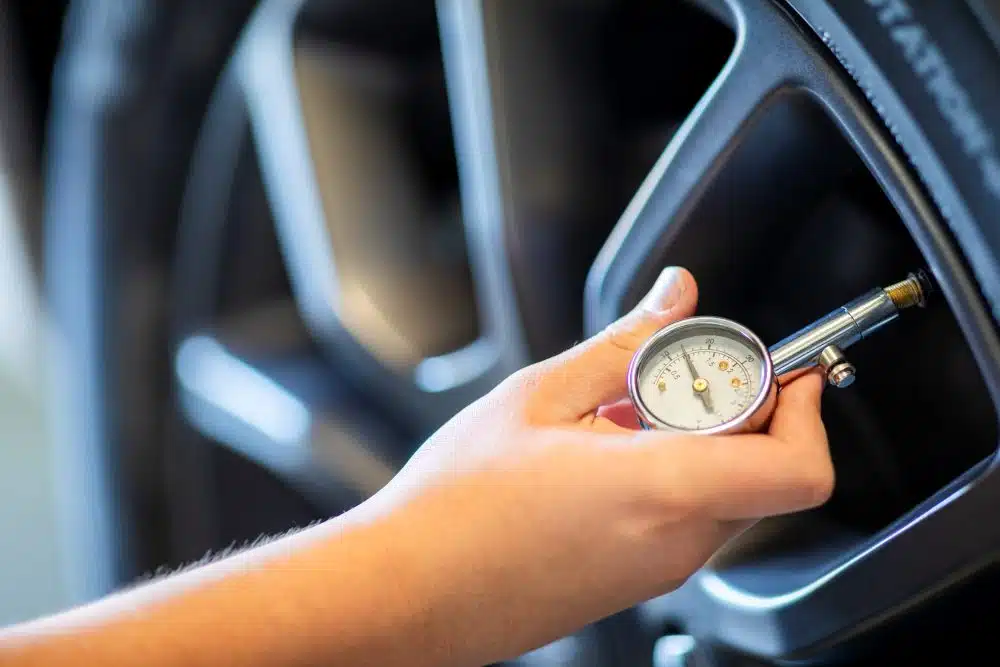
Look at your tires for visible damage, unusual wear, or objects stuck in the tread.
Make sure they are inflated according to your vehicle manufacturer’s recommended pressure.
Proper tire maintenance helps improve handling, braking, and overall road safety.
Check Your Lights
Make sure your headlights, brake lights, indicators, and hazard lights are working correctly.
Being able to see and be seen is particularly important at night or during poor visibility.
Check Your Brakes
Pay attention to how your brakes feel. If the pedal feels unusually soft, the vehicle pulls to one side
while braking, or you hear unfamiliar noises, the braking system should be inspected.
Check Your Fluid Levels
Engine oil, coolant, brake fluid, and other essential fluids play important roles in keeping your vehicle operating properly.
You don’t necessarily need to check every fluid before every short journey,
but checking them regularly can help identify leaks or low levels early.
What to Check Inside Your Vehicle
Safety isn’t only about what’s underneath the hood.
Your interior should also be ready for the journey. Make sure your mirrors provide a clear view,
your windshield is clean, and your dashboard isn’t obstructed.
Remove objects that could interfere with your pedals or become dangerous if the vehicle stops suddenly.
It’s also worth making sure your phone is secured and that anything you need for navigation is set up before you start moving.
A few seconds of preparation can prevent distractions once you’re on the road.
Simple Checks for Longer Journeys
A longer journey deserves a little more preparation.
Before setting off, check your tire pressure, fuel level, engine oil, lights, and windshield visibility.
Make sure you have enough fuel for the planned route and consider whether your vehicle needs servicing before the trip.
It’s also useful to think about the road conditions you’ll encounter. Heavy rain, poor visibility, traffic,
and unfamiliar roads may require you to adjust your driving style. If you’re planning a road trip, preparing your car
in advance can make the journey more comfortable and reduce the chances of an unexpected interruption.
For additional information about vehicle and road safety, drivers can consult the National Highway Traffic Safety Administration.
Building a Safer Driving Routine
Car safety doesn’t have to be complicated. The most effective habits are often the simplest ones.
Take a few minutes to look over your vehicle, pay attention to changes in how it drives,
and never ignore unusual sounds, smells, vibrations, or dashboard warnings. Regular servicing should
remain part of your routine, while these quick checks provide an additional layer of awareness between maintenance appointments.
The more familiar you become with your vehicle, the easier it becomes to notice when something doesn’t feel right.
A safe and enjoyable driving experience also comes from having a vehicle that is clean,
comfortable, organized, and properly equipped. At Alcrux, we believe that a perfectly accessorized car
can make every drive better by adding convenience and comfort to your everyday journeys.