



Hybrid Cars: How They Work and What to Know

How Hybrid Cars Work
Hybrid cars combine two different power sources: an internal combustion engine and an electric motor.
Depending on the type of hybrid, the vehicle can use either power source independently or both together to move the car.
The electric motor is powered by a battery, while the combustion engine typically uses petrol.
The vehicle’s computer system determines how and when each power source should operate based on
factors such as speed, acceleration, and driving conditions.
This combination allows hybrid vehicles to use energy more efficiently than many conventional petrol-powered cars.
The U.S. Department of Energy provides additional information about hybrid and alternative-fuel vehicles through its Alternative Fuels Data Center
Why Hybrid Cars Use Less Fuel
One of the biggest reasons drivers are interested in hybrid cars is fuel efficiency.
During situations such as low-speed driving or when the vehicle is stopped, the electric motor can reduce
the amount of work required from the petrol engine. Some hybrids can also switch off the engine when
the vehicle is stationary and restart it automatically when needed. Hybrid vehicles can also recover some energy
during braking through a process called regenerative braking. Instead of allowing all that energy to be lost as heat, the system
converts some of it into electrical energy that can help recharge the battery.
The result can be lower fuel consumption, particularly in stop-and-go driving conditions.
Hybrid Cars vs Traditional Petrol Cars
Hybrid cars and conventional petrol vehicles both have their advantages.
A traditional petrol car generally has a simpler powertrain and can be easier to service in areas
where mechanics and replacement parts are widely available. Refueling is also quick and convenient because petrol stations are common.
Hybrids, however, can offer better fuel efficiency and lower emissions. Their electric assistance can also
make acceleration smoother and reduce the amount of fuel used in certain driving situations.
The better option depends on your driving habits, budget, access to servicing, and the specific vehicle you are considering.
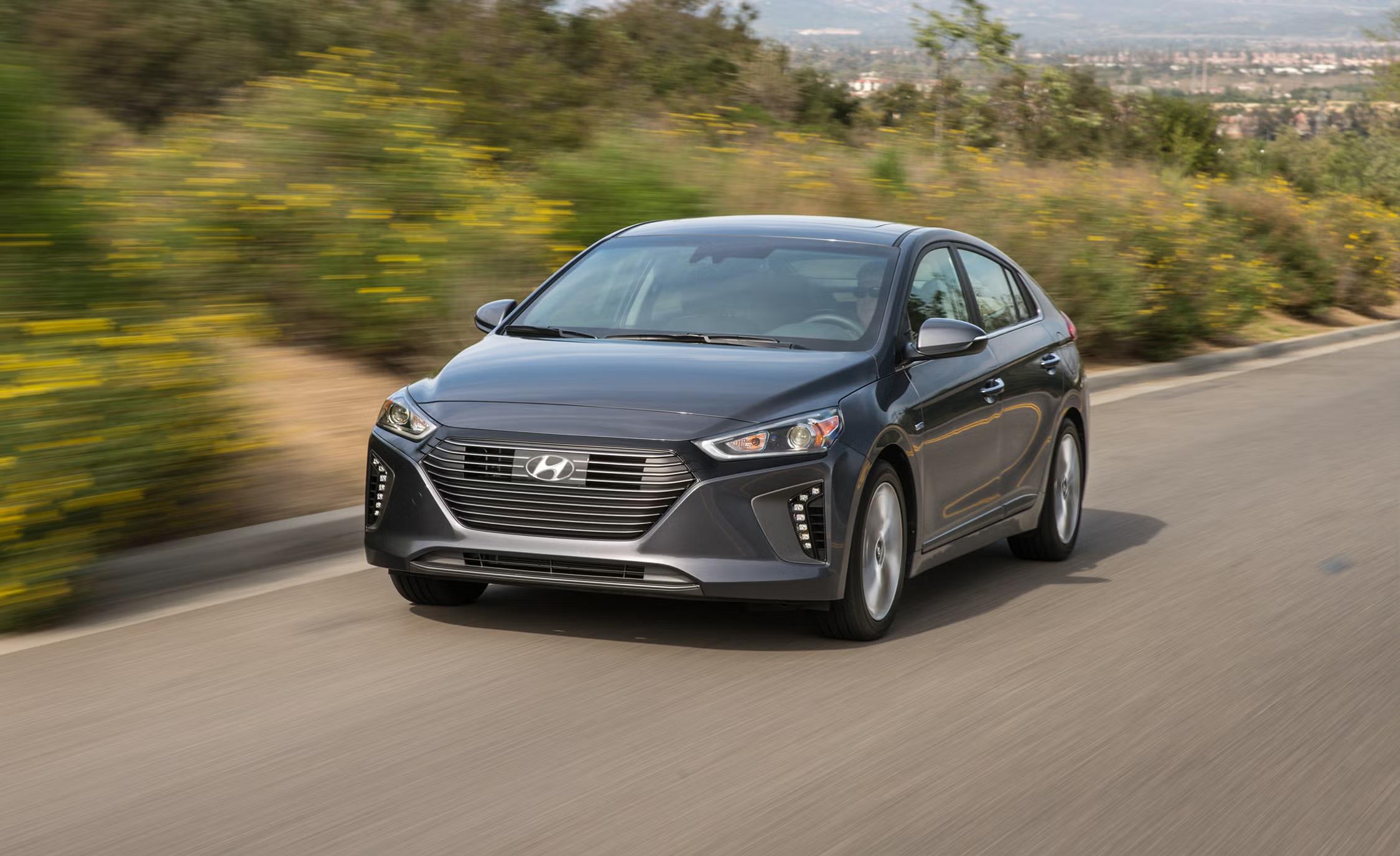
The Different Types of Hybrid Vehicles
Not all hybrid systems work in exactly the same way.
Mild hybrids use a small electric motor to assist the engine but generally cannot drive the vehicle using electric power alone.
Full hybrids can operate using the petrol engine, electric motor, or a combination of both. Some can travel short distances using electric power alone.
Plug-in hybrids, often called PHEVs, have larger batteries that can be charged externally. They can typically travel farther using electricity before the petrol engine becomes necessary.
Understanding these differences is important because the benefits and charging requirements can vary significantly between hybrid systems.
What to Consider Before Buying One
A hybrid vehicle can be an excellent choice for some drivers, but it is not automatically the best option for everyone.
Before buying one, consider your daily driving distance, fuel costs, access to qualified technicians, availability of replacement parts, and the vehicle’s overall purchase price.
You should also understand how the hybrid system works and check the manufacturer’s recommended maintenance schedule.
Just as with conventional vehicles, proper car maintenance remains essential for keeping a hybrid reliable and efficient.
Are Hybrid Vehicles the Future of Driving?
The automotive industry is moving toward a wider range of powertrain options, including hybrids, plug-in hybrids, and fully electric vehicles.
Hybrid vehicles offer an interesting middle ground for drivers who want improved fuel efficiency without completely moving away from petrol-powered transportation.
As technology continues to develop, hybrid systems are likely to become more sophisticated and efficient.
However, the future of driving will not necessarily look the same everywhere. Infrastructure, fuel availability,
vehicle costs, government policies, and consumer preferences will all influence which technologies become dominant in different markets.